

When a compelling story becomes an expensive investment
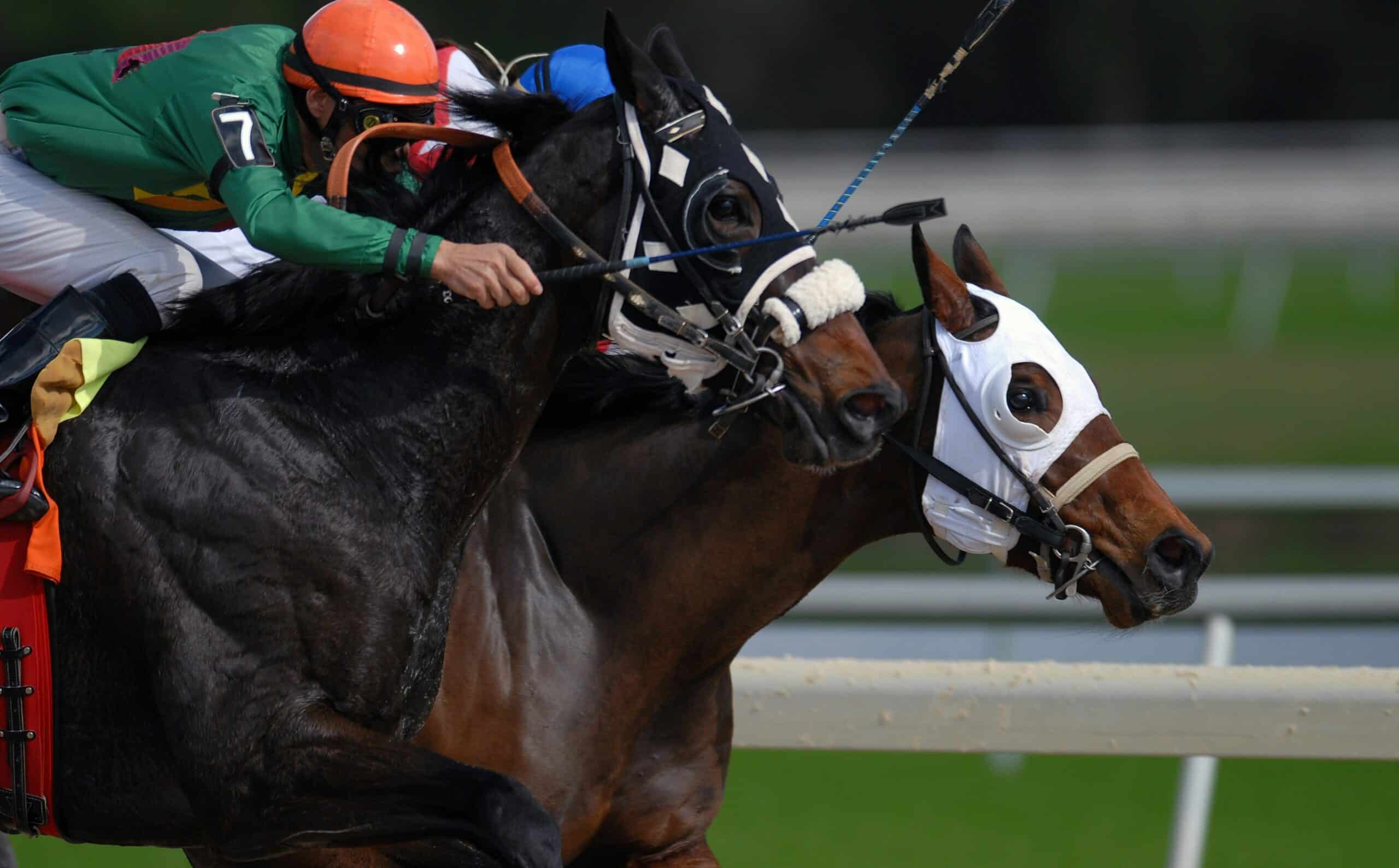
Half a century ago, the first yearling horse sold at auction for more than $1 million. In horse racing, this was a landmark moment and arguably marked the beginning of a decade-long boom in the prices of young thoroughbreds that has never quite been matched since. Bubbles, whether in horse prices or the stock market, are difficult to identify in advance and hard to bet against, yet they often appear obvious in hindsight. Each bubble is different, but most follow a familiar pattern: a compelling narrative, a boom, euphoria and fear of missing out, and eventually a bust.
The sale took place at the 1976 Keeneland auction in Lexington, Kentucky, where the colt attracted extraordinary attention from prospective buyers. At least four syndicates were formed to buy the horse, but a Canadian group ultimately prevailed after bidding an eye-watering $1.5 million, equivalent to around £850,000 at the time. To put that into perspective, the average UK house price at the time was approximately £12,000. Unfortunately for the buyers, the colt, subsequently named Canadian Bound, failed to win a race and later proved unsuccessful as a stallion.
Nevertheless, there was a persuasive investment case. A successful racehorse could generate millions in breeding income, and thoroughbreds represented a scarce physical asset at a time of high inflation. For some investors, bloodstock offered tax advantages and diversification away from traditional assets. Others saw an opportunity to benefit from growing international demand for American bloodlines, particularly from Europe and the Middle East.
Rising yearling prices fuelled a boom across the breeding industry. Stud fees for elite stallions increased sharply as breeders sought to produce the next champion. The boom eventually gave way to euphoria as several deep-pocketed buyers emerged, determined to acquire the finest American-bred thoroughbreds.
Among the most influential was a syndicate led by the English businessman Robert Sangster, together with Irish breeder John Magnier and trainer Vincent O’Brien. Buyers from leading Middle Eastern racing families also became increasingly active participants in the market.
Following the first $1 million yearling sale, prices continued to escalate. In 1983, interests associated with Sheikh Mohammed paid $10.2 million for Snaafi Dancer, an unraced yearling. Remarkably, that record lasted less than two years. In 1985, the Sangster-Magnier partnership paid $13.1 million for Seattle Dancer, a figure that remains the world record price paid for a yearling at public auction.
Both purchases exemplified the extraordinary optimism that had taken hold of the bloodstock market, and both ultimately disappointed on the racecourse and at stud.
Eventually, reality returned. As conditions weakened during the second half of the 1980s, competition among the largest buyers became less aggressive and yearling prices fell sharply. By the mid-1990s, top prices had declined dramatically from their peak as many expensive bloodstock investments failed to justify their purchase prices.
The stock market has experienced countless bubbles of its own. More recent examples include the dot-com boom of the late 1990s, when enthusiasm for internet companies surged; the cannabis sector between 2017 and 2021, when legalisation appeared set to create a vast new industry; and battery and hydrogen-related stocks in 2020 and 2021, when investors became excited by renewable energy and energy storage technologies.
In each case there was a plausible and often partly correct narrative. Prices rose rapidly, with momentum attracting increasingly enthusiastic participants and creating a fear of missing out. When markets benefit from diversity of thought and informed participants, they are generally highly effective at pricing assets, whether those assets are young racehorses, bonds or shares. However, when fear or greed begin to dominate, when markets become concentrated among a small number of influential buyers, and when dissenting views are dismissed, markets become more vulnerable to speculative excess.
One of the stock market’s most important functions is to raise capital for new ventures. At various points in history it has financed canals, railways, telecommunications networks and much of the infrastructure that surrounds us today. Almost every transformative innovation has experienced a period of speculation along the way, and there will undoubtedly be others in the future.
History suggests that every generation finds its own version of the bloodstock boom. For some investors, today’s equivalent is AI-related stocks.
We recently discussed this in Situational Awareness, noting that parts of the market appeared to reflect some of the uncritical enthusiasm surrounding artificial intelligence and AI-related investments. There may be further booms and busts associated with AI in the years ahead. The prudent investor, however, exercises judgement and avoids buying indiscriminately during periods of euphoria.
The stories behind bubbles are not always wrong, even if valuations become detached from reality. The railway boom left behind infrastructure that continues to serve society today. Likewise, the internet revolution genuinely transformed the global economy despite the excesses of the dot-com era.
Occasionally, the underlying story proves correct, even if the journey for investors is painful. If you had bought Amazon at the peak of the dot-com bubble, you would have been down more than 90% two years later and would not have shown a profit until 2009. Yet investors who remained patient thereafter would have been rewarded many times over.
The bloodstock boom of the 1970s and 1980s offers a similar lesson. Many of the record-breaking purchases proved disappointing investments, but the boom accelerated the internationalisation of thoroughbred breeding and reshaped the industry on both sides of the Atlantic. While the prices paid at the height of the boom proved unsustainable, the underlying trend transformed the industry for decades to come.
Please be aware that the value of investments may go up or down and you may receive back less than you invested originally. Past performance is not a guide to the future.
This document contains general information only and does not provide any advice or guidance specific to your personal circumstances.
Callanish Capital is authorised and regulated by the Financial Conduct Authority to manage investments and authorised to provide advice on investments, pensions, credit, protection and mortgages.
This email and any accompanying attachment are issued by Callanish Capital Ltd, a company registered in England and Wales under company number 13182424. Registered Office: 45 Pont Street, London, SW1X 0BD.
Callanish Capital Ltd is a Discretionary Fund Manager, directly authorised and regulated by the Financial Conduct Authority (“FCA”) under registration number 955992.